
While often overlooked, flossing—or cleaning between your teeth—is a critical component of good oral hygiene, proven to complement brushing and protect your long-term dental health.
The Science of Flossing Frequency
The gold standard for oral health remains daily flossing. However, research suggests that consistency is more vital than perfect attendance, making an achievable routine the most sustainable path to benefit.
- The Ideal vs. Reality: While high frequency is best (a 2020 study linked cleaning 7 or more times a week to "excellent" self-reported oral health), a 2025 trial indicated that many adults struggle to maintain daily flossing.
- A Realistic Goal: For most healthy adults, aiming to floss at least three times a week is a sustainable and highly effective target, providing significant benefits where no flossing at all provides none.
More is always better, but a consistent, realistic schedule is far superior to an abandoned daily goal.
Floss Before You Brush: Maximize Effectiveness
The sequence of your cleaning routine significantly impacts its efficacy.
- Optimal Order: A 2018 clinical trial found that flossing before brushing is more effective for plaque reduction.
- The Mechanism: Flossing first loosens and dislodges trapped food particles and plaque. Brushing then washes this debris away more completely.
- Enhanced Protection: Crucially, removing the plaque allows the fluoride in your toothpaste to better penetrate and protect the vulnerable surfaces of your teeth, maximizing cavity prevention.
Why Flossing Works
Is flossing truly necessary? A definitive yes. Numerous high-quality studies confirm that incorporating mechanical cleaning between teeth into your routine is essential.
- Proven Benefits: Flossing is proven to significantly reduce both plaque and gingivitis (early gum disease) compared to brushing alone.
- Professional Consensus: Despite challenges in conducting long-term behavioral studies, the overwhelming consensus among dental professionals is that cleaning between the teeth is the only way to remove plaque that your toothbrush cannot reach.
Finding the Right Tool for You
Modern dentistry emphasizes an individualized approach to oral hygiene. If traditional string floss is a barrier, effective alternatives are available:
- Options: Interdental cleaning aids include interdental brushes, water flossers, and floss picks.
- The Best Tool: The most effective tool is the one you will use consistently and correctly.
- Customization: Interdental brushes are often better for large gaps, while water flossers and specific orthodontic floss threaders are critical for individuals with braces or implants to prevent complications.
Flossing For Children
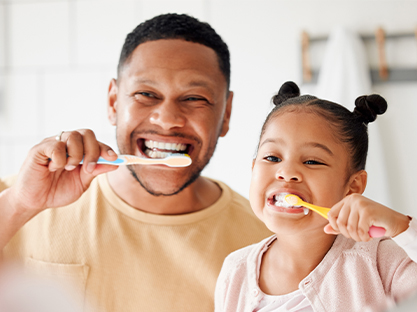
While the evidence for at-home flossing benefits in children is less conclusive (likely due to inconsistent technique), professional cleaning is highly effective. A 2006 review showed that professional flossing by dental staff can reduce cavities in children by 40%. Guidance from a dental professional is key for pediatric interdental care.
Conclusion
While daily flossing is the ideal for gum health, the evidence supports that consistency is paramount. Flossing at least three times a week offers significant benefits.
- Be Consistent
- Find a schedule you can maintain; regular cleaning is better than aiming for an unsustainable goal.
- Floss First
- Always floss before you brush to optimize plaque removal and fluoride effectiveness.
- Choose Wisely
- Select an interdental tool that suits your mouth and ensures correct, comfortable use.