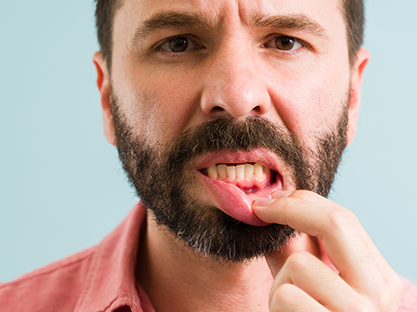

Periodontitis, commonly known as gum disease, is a progressive and often silent threat to your oral health, jeopardizing your teeth and jawbone. Fortunately, Scaling and Root Planing (SRP) offers the most trusted non-surgical solution to halt this progression, restore gum health, and prevent serious, long-term oral complications.
Understanding the "Deep Cleaning" Procedure
SRP is a highly targeted and precise deep-cleaning method that goes significantly beyond a standard professional cleaning. This vital, two-step process is designed to eliminate disease-causing bacteria and prepare the tooth roots for healthy gum reattachment:
- Scaling: A dental professional uses specialized instruments to remove both soft plaque and hardened tartar (calculus) from the visible tooth surface and, critically, from beneath the gumline. This action eradicates the bacterial film responsible for inflammation.
- Root Planing: The tooth roots are then carefully smoothed. This step makes the root surface more resistant to future plaque accumulation, promoting the healing of the gums and encouraging them to firmly re-attach to the tooth, thereby decreasing the depth of periodontal pockets.
The procedure is typically performed using local anesthesia to ensure patient comfort and may require several appointments, depending on the severity of the gum disease.
Why SRP is the Gold Standard for Periodontal Health
As the primary non-surgical intervention for chronic periodontitis, SRP is highly effective because it directly addresses the underlying cause, not merely the symptoms. Clinical evidence demonstrates that SRP successfully disrupts the biofilm and calculus below the gumline, yielding significant therapeutic outcomes:
- Reduces Inflammation: Lessens gum swelling and bleeding.
- Lowers Bacterial Load: Substantially decreases the number of infection-causing bacteria.
- Enhances Attachment: Improves clinical attachment, helping gums connect more securely to the teeth.
- Combats Bone Loss: Slows down or prevents the deterioration of the bone structure supporting the teeth.
Supporting the Treatment: Adjunctive Therapies
In certain situations, additional treatments may be utilized alongside SRP to maximize efficacy:
- Antibiotics: For moderate-to-severe disease, antibiotics (either systemic/oral or local/applied directly into the gum pocket) may be prescribed, such as minocycline or metronidazole. While they can enhance results, their use requires caution due to growing concerns about antibiotic resistance.
- Probiotics: Emerging studies suggest that introducing beneficial bacteria through probiotic supplements might aid the healing process and establish a healthier microbial environment in the mouth post-treatment. Further long-term research is ongoing.
Post-Treatment Care and Ensuring Long-Term Success
Patients may experience minor, temporary side effects, including mild soreness, sensitivity to hot or cold, and brief bleeding. These are usually manageable with over-the-counter pain relievers (like ibuprofen) and warm salt water rinses.
Maintenance is Crucial:
SRP is an essential first step, but its lasting success depends entirely on consistent and meticulous ongoing care. Without proper maintenance, the gums are susceptible to reinfection. Long-term oral health necessitates:
- Diligent Home Care: Brushing twice daily and flossing or using interdental brushes every day.
- Regular Professional Cleanings: Attending maintenance visits, typically scheduled every 3–4 months.
- Tobacco Cessation: Avoiding tobacco is strongly linked to improved periodontal outcomes.
Key Summary Points
SRP is much more than a deep cleaning; it is a critical medical intervention that provides the best opportunity to reverse the effects of gum disease and preserve your natural teeth. By eliminating infection and reducing inflammation, SRP is an investment not only in your smile but also in your overall well-being, given the established connection between gum health and systemic conditions such as diabetes and heart disease.
- Function: SRP is the foundational non-surgical treatment for chronic periodontitis, focused on removing plaque and tartar from below the gumline.
- Impact: It significantly reduces bacterial infection, inflammation, and the depth of periodontal pockets.
- Enhancements: Adjunctive antibiotics may be used for severe cases, though careful consideration of antibiotic resistance is necessary. Probiotics show potential as a supplementary aid.
- Requirement: Lasting success hinges on consistent, excellent daily home care and frequent professional maintenance appointments.