Key Takeaways
- What it is: TMJ disorders (TMD) affect the temporomandibular joint, the hinge connecting the jaw to the skull, leading to pain, clicking, or locking.
- Main Drivers: Common causes include teeth grinding (bruxism), arthritis, physical trauma, and muscle tension from stress.
- Diagnosis: Evaluation involves a physical exam and may include imaging like X-rays or MRIs.
- Initial Relief: Mild symptoms often respond well to home care, such as using a night guard, applying ice, and eating a soft diet.
- Advanced Care: Treatment options range from physical therapy and medication to injections and, in severe cases, surgery.
That persistent jaw pain or bothersome click when you move your mouth could indicate a temporomandibular joint (TMJ) disorder. The TMJ is a crucial, sliding hinge that allows for comfortable actions like chewing, talking, and yawning. When this joint malfunctions, simple daily movements can become painful or feel disjointed. TMD affects numerous people, often remaining undiagnosed or inadequately treated. This guide explores the typical causes, the diagnostic process, and the comprehensive range of treatments available, from self-care to specialized medical interventions.
The Roots of Jaw Pain and Clicking
TMJ disorders usually arise from a blend of physical strain and underlying health issues, rather than a single cause.
Key contributing factors include:
- Bruxism (Teeth Grinding): Unconscious grinding, often at night or during stressful periods, erodes teeth and places significant strain on the jaw joint.
- Jaw Clenching: Similar to grinding, this habit creates sustained tension in the surrounding muscles.
- Misaligned Bite: Structural issues with teeth or the jaw can disrupt the natural balance and function of the TMJ.
- Trauma or Injury: Direct impact to the face or jaw can immediately impair joint function.
- Arthritis: Conditions like osteoarthritis and rheumatoid arthritis can cause damage to the joint’s protective cartilage.
- Stress and Muscle Tension: Emotional stress frequently manifests as physical tension, particularly in the jaw muscles.
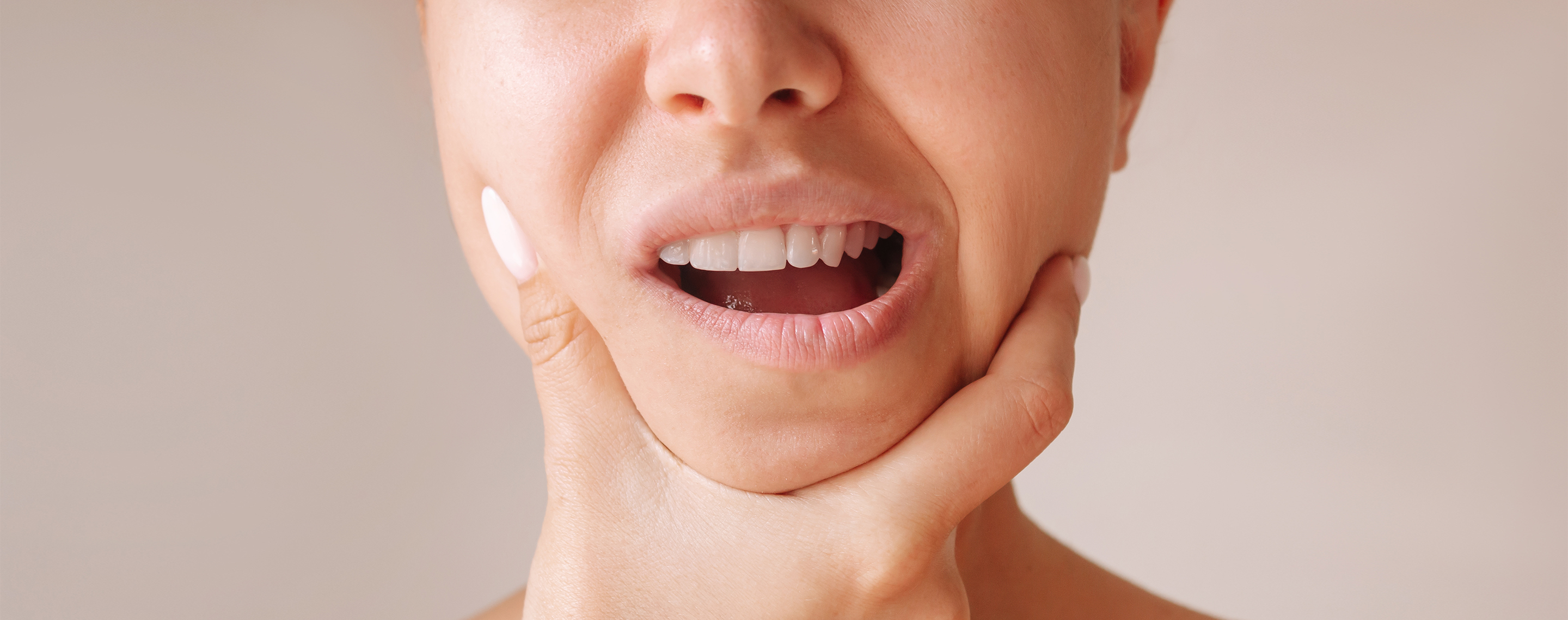
The characteristic "click" or "pop" heard is typically the result of the joint's internal cartilage disc momentarily shifting out of position. In more severe cases, pain can radiate into the neck, temples, or ears, sometimes accompanied by symptoms like tinnitus (ringing in the ears), headaches, or dizziness.
Diagnosis and When to Seek Professional Help
If jaw clicking or pain persists, a medical or dental evaluation is warranted. The process begins with a thorough health history and physical examination, covering:
- Pain Characteristics: Details about the intensity and timing of the pain.
- Habits: Inquiring about behaviors like gum chewing, clenching, or grinding.
- Medical Background: History of arthritis or facial trauma.
- Associated Symptoms: Reports of earaches or difficulty with chewing.
Advanced imaging, such as panoramic X-rays or MRI (which visualizes the soft tissue disc), may be utilized to identify structural problems or exclude other sources of facial pain.
See a Doctor If You Experience:
- Jaw pain that lasts longer than two weeks.
- Inability to fully open your mouth, or difficulty with eating or speaking.
- A locked jaw.
- Pain that spreads to the ears, neck, or head.
Catching the disorder early is vital for preventing long-term complications and allowing for effective, conservative treatment.
Home Treatments for Mild Symptoms
Giving the jaw a "rest day" often helps mild TMD symptoms resolve. Simple self-care includes:
- Over-the-Counter Relief: Nonsteroidal anti-inflammatory drugs (NSAIDs) like ibuprofen or acetaminophen to reduce pain and inflammation. (Dosage examples: 400–600 mg of ibuprofen every 6–8 hours; 500–1000 mg of acetaminophen every 6 hours.)
- Cold Therapy: Applying ice packs to the side of the face for 10-minute intervals to relieve tight muscles.
- Dietary Modification: Sticking to soft, cooked, or blended foods to minimize jaw strain.
- Jaw Rest: Avoiding hard-to-chew foods, chewing gum, and excessive jaw opening (like wide yawning).
- Relaxation: Employing techniques such as meditation, guided breathing, or gentle jaw stretches to reduce muscle tension.
- Night Guard Use: A custom-fit dental appliance can cushion the joint and decrease the effects of suspected nighttime bruxism.
Professional Treatments
When self-care measures prove insufficient, a dentist or physician may recommend more targeted therapies aimed at both symptom management and addressing the underlying cause.
Non Pharmacological
- Patient Education: Understanding proper jaw posture and modifying behaviors is a powerful therapeutic tool.
- Cognitive Behavioral Therapy (CBT): Highly effective when stress or anxiety contributes significantly to muscle tension.
- Physical Therapy: Includes exercises to improve jaw mobility, soft tissue massage, and posture correction.
Medications
- Short-Term Relief: Anti-inflammatory drugs and muscle relaxants (like cyclobenzaprine) can be used briefly to manage acute flare-ups.
- Chronic Pain Management: Low-dose tricyclic antidepressants are sometimes prescribed for persistent TMD pain.
- Nerve Pain: Gabapentin may be an option if a neurological cause for the pain is suspected.
Advanced Options
- Injections: Therapies such as platelet-rich plasma (PRP), dextrose prolotherapy, or sodium hyaluronate injections have demonstrated success in reducing inflammation and improving joint movement.
- Surgery: This is typically reserved for the most severe, unresponsive cases involving persistent locking or significant joint degeneration.
For complex cases, a multidisciplinary approach involving pain specialists, physical therapists, and dentists often yields the best long-term outcomes.
The Connection to Systemic Health
In certain demographics, particularly children and adolescents, TMD may be linked to wider systemic health issues, such as juvenile idiopathic arthritis (JIA). In these instances, a collaborative team (rheumatologists, dentists, physical therapists) is essential to treat the jaw symptoms while managing the core disease.
Final Thoughts
Jaw clicking and pain are important signals that should not be overlooked. Identifying the root cause, whether it’s arthritis, stress, or nighttime grinding, is the first step toward effective treatment. For most individuals, conservative care provides substantial relief. For those with chronic or severe symptoms, a team-based strategy incorporating medical, dental, and physical therapy expertise can lead to a lasting difference. If your jaw function is compromised, consult your dentist or physician to explore your available treatment options.